Digipaks are preferred over the simple CD cases also due to the freedom the artist can have artistically. By being made of cardboard, images can be simply printed onto the digipak.
Number of panels can differ from 2, 4, 6, 8 and even sometimes more. For my digipak I have decided on using two panels as the photo below shows the different qualities needed for a digipak.

My genre is alternative/indie, below are three digipaks from the genre.

This digipak uses bold contrasting colours of blue and red fabric as it blows in the wind, representing two different people and opposing sides. By using fire in the background alongside the sky and the grass making up most of the the background shows the connection with nature. The bold colours used makes the album cover is appealing and eye-catching as the minimal complexity of the photo shows that minimalism can create big impact.
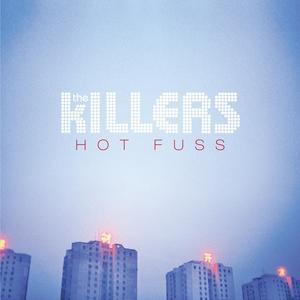
This album cover using mainly blue sky, emphasising the name of the band and the album name rather than the actual image if the band. The use of the urban flats could connect to the origin of the band, but with them being on fire and the brightness of the flames in comparison to the the faded blue of the flats and sky, could represent the passion of the band.
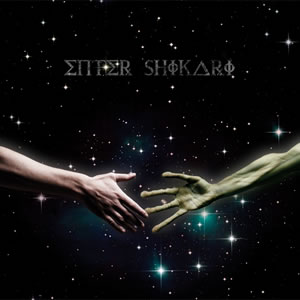
This album cover uses more photoshop and editing than the others as they represent a supernatural feeling to the cover, but also a joining of two different beings. The blackness of the sky hides the name of band and focuses on the boldness of the animation and photography of the arms.

No comments:
Post a Comment